
The Allure of the Casino Environment
The casino environment is meticulously designed to evoke excitement and a sense of adventure, drawing individuals into its vibrant atmosphere. From the moment players enter, they are greeted with bright lights, lively sounds, and enticing aromas, all carefully orchestrated to stimulate the senses. This sensory overload creates an exhilarating experience that can lead to impulsive decision-making, often resulting in prolonged play and increased spending, especially when players explore options like neosurf casino australia that enhance their gaming experience. The allure lies not only in the potential for financial gain but also in the thrill of every roll of the dice or the pull of a slot machine lever.
Moreover, the layout of casinos is intentionally crafted to disorient guests, encouraging them to lose track of time and space. Complicated pathways, lack of windows, and strategically placed entertainment options further contribute to an immersive experience that often keeps players engaged far longer than they initially intended. The notion of “gambling for fun” quickly transforms as the excitement builds, and players find themselves enveloped in the atmosphere, paying little attention to their financial limits or time constraints.
As the stakes rise, so does the psychological engagement. Casinos capitalize on what is known as variable reward systems; players win inconsistently, which creates a cycle of anticipation and hope. This intermittent reinforcement is a powerful psychological driver that keeps players returning, as the unpredictability of outcomes generates excitement. The combination of sensory stimulation and variable rewards makes the casino a compelling environment for many, shaping behavior in ways that often defy rational thought.
The Role of Social Dynamics in Gambling
The social dynamics present in a casino significantly influence gambling behavior, with many players thriving on the communal aspect of the experience. Whether it’s the camaraderie found at a blackjack table or the shared enthusiasm among slot players, social interactions enhance the enjoyment of gambling. Group dynamics can foster a sense of belonging and encourage risk-taking, as individuals often feel emboldened in a social setting. Observing others winning can instill a sense of possibility, leading to a collective frenzy that amplifies enthusiasm.
Additionally, peer pressure can play a crucial role, particularly among friends or groups celebrating special occasions. The desire to fit in or impress peers may compel players to bet more than they usually would, overshadowing their better judgment. As people jockey for attention and approval, they may overlook the associated financial risks, becoming more susceptible to loss as they attempt to maintain their social standing within the group.
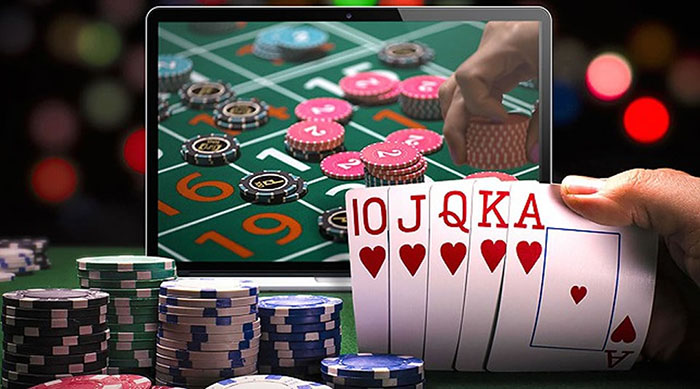
The impact of social media further compounds these dynamics. As individuals share their gambling experiences online, showcasing their wins and losses, a narrative of success can emerge. This portrayal can lead others to replicate their behaviors, igniting a cycle of gambling motivated by a perceived need to keep up with social narratives. The intertwining of social influences and gambling creates a complex web that significantly affects decision-making and overall experience within the casino.
The Psychological Mechanisms Behind Gambling Addiction
Gambling addiction is a multifaceted issue rooted in various psychological mechanisms. At its core, the addiction often stems from a desire to escape reality and cope with stressors. For many, engaging in gambling provides a temporary reprieve from daily challenges, leading to a cycle where the individual continually seeks that escape. This escape can be so alluring that it overshadows the potential for harmful consequences, reinforcing the behavior despite detrimental outcomes.
Another critical aspect of gambling addiction is the role of cognitive distortions. Many individuals develop an inflated belief in their control over outcomes, often falling prey to the illusion of control. This belief can create a hazardous mindset where players feel confident in their ability to “beat the odds,” leading to continued engagement. These cognitive biases prevent people from recognizing the randomness of gambling outcomes, perpetuating a cycle of gambling despite previous losses.
Lastly, emotional triggers can contribute significantly to addictive behaviors. Win-loss sequences create a rollercoaster of emotions, where wins generate excitement and losses can provoke feelings of frustration or anxiety. The brain releases dopamine during these experiences, reinforcing the behavior and creating a craving for further engagement. As a result, the psychological mechanisms driving gambling addiction are intricate, involving a complex interplay of emotional, cognitive, and environmental factors that can perpetuate the cycle of gambling even in the face of negative consequences.
Responsible Gambling: Strategies and Awareness
Given the potential for psychological pitfalls in gambling, promoting responsible gambling practices is paramount. Awareness is the first step in mitigating risks associated with gambling behavior. Educating players about the odds, the nature of gambling, and the psychological triggers behind their decisions can empower them to make informed choices. This knowledge allows individuals to understand that gambling is meant to be a form of entertainment, not a reliable source of income.

Another effective strategy involves setting boundaries. Individuals should establish personal limits regarding time and money spent on gambling activities. Utilizing tools such as self-exclusion programs or time management applications can facilitate accountability and prevent players from losing track of their gambling habits. By committing to these boundaries, individuals can foster a healthier relationship with gambling, focusing on enjoyment rather than on the pursuit of losses.
Finally, fostering a support system can significantly impact an individual’s gambling behavior. Encouraging discussions around gambling within social circles can create a culture of transparency and accountability. Those who experience challenges related to gambling should feel empowered to reach out for help, whether through friends, family, or professional support groups. Creating open lines of communication is critical in addressing problem gambling and promoting a safe gaming environment.
Understanding the Casino Environment and its Impact on Players
The casino environment significantly impacts players, influencing both their emotions and behaviors. The design, layout, and soundscape of casinos are tailored to immerse individuals in a unique experience. From the jingling of coins to the cheerful interactions of dealers, every element is orchestrated to enhance excitement. This psychological manipulation heightens emotions, making players more susceptible to impulsive decisions, which can lead to excessive gambling.
Moreover, the availability of engaging entertainment options within casinos also plays a role in shaping player behavior. With live shows, bars, and restaurants, a casino becomes more than just a gambling venue; it transforms into an entertainment hub. This multifunctional aspect can blur the lines for players, making their visit feel more like a leisure experience rather than a gambling endeavor. As individuals indulge in various activities, they may set aside or ignore their gambling limits, leading to increased financial risk.
Understanding the casino environment’s impact is essential for recognizing vulnerabilities in players. The combination of sensory stimulation, entertainment options, and social dynamics creates an atmosphere that can easily lead individuals astray. By examining these factors, stakeholders in the gambling industry can work towards fostering a more responsible gambling culture that prioritizes player well-being and minimizes the likelihood of adverse psychological consequences.